
Research
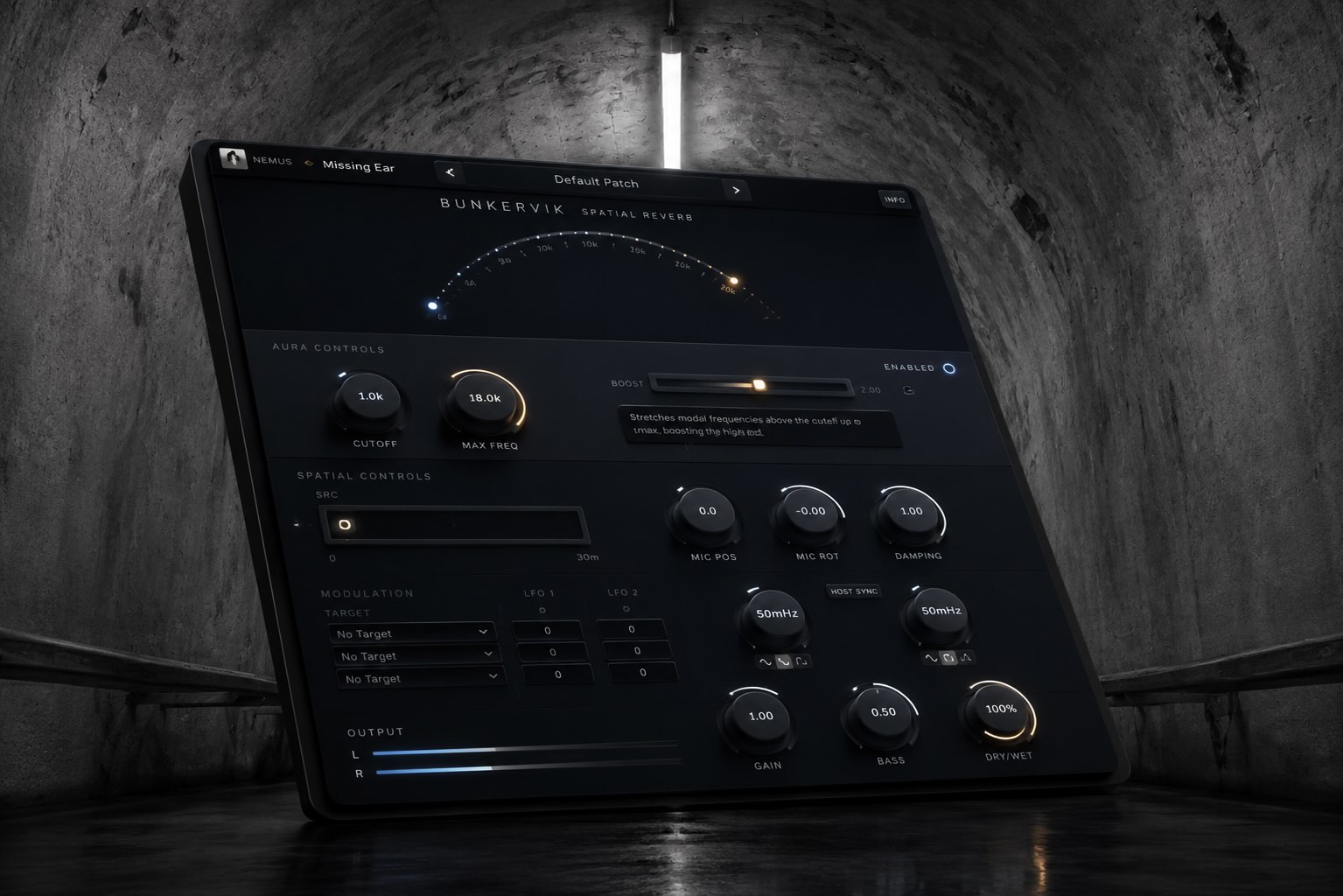
Bunkervik Spatial Reverb
Bunkervik Reverb is a free spatial reverb plugin created in collaboration with the NEMUS project and Missing Ear. It is our first attempt to extend the modal reverberation framework into space.
Bunkervik Reverb is a free spatial reverb plugin created in collaboration with the NEMUS project and Missing Ear. It is our first attempt to extend the modal reverberation framework into space.
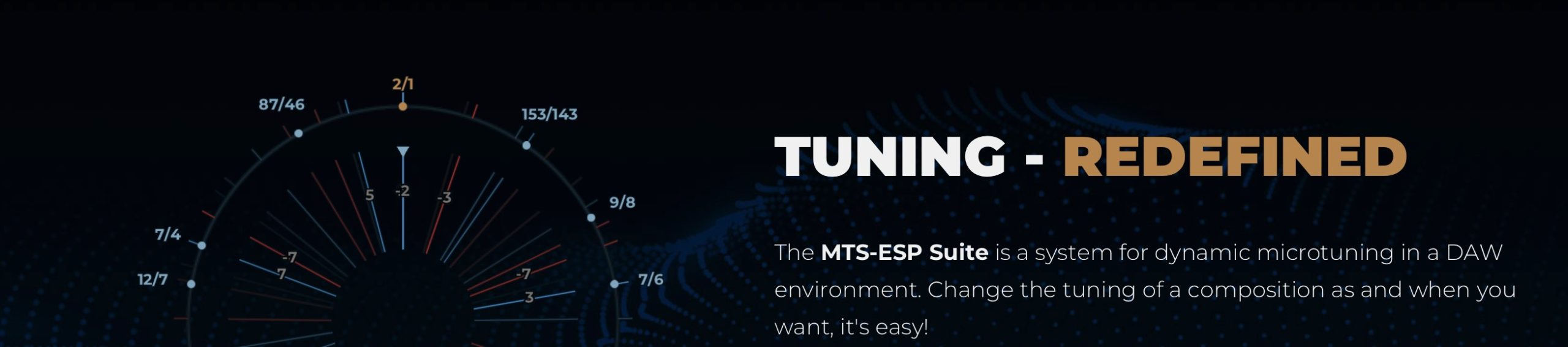
We have just updated our Modus, Prep2 and Tetrad instruments with support for the MTS-ESP tuning format. This post gives a brief overview of how that works.

Talking physical modelling, augmented instruments and harpsichords with the Physical Audio team.

We are launching a major update to our Preparation instrument on August 7th. Preparation 2 is a ground-up rewrite with all new features to the physical model, as well as a new effects unit and modulation with 2 LFOs, velocity and keyboard tracking.

This is Prof McPherson’s inaugural lecture at Imperial College. An excellent talk on technology in music and his journey through instrument control design.

We’ve updated Modus to v1.3. There is a new feature that allows side chaining of external audio into the Plates configuration. The set up for this depends on the DAW.

Last week Physical Audio’s Michele Ducceschi gave a seminar at IRCAM in Paris. Here he discusses some of the theoretical background that we use in our plugins, as well as an overview of sound synthesis. There is also an outline of his new project NEMUS at the University of Bologna.

Our new instrument Modus will be launching on July 11th! Modus is based on physical models of strings, plates and connecting elements. Three different configurations of models allow for a huge range of timbres, from leads to pads and evolving soundscapes.

The nonlinear vibration of plates is what leads to the characteristic sounds of gongs—pitch glides, crashes and swells—that we all know. A linear model is insufficient to capture these effects, which vary strongly with the striking force.